
Tribal Corps_
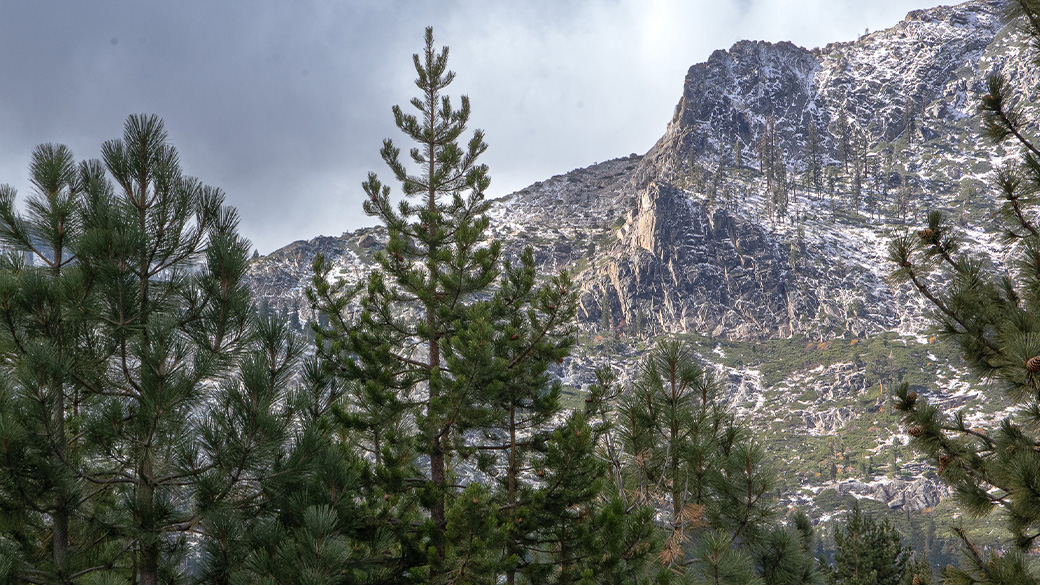
Supporting California Native American tribes!
Through Nature-Based Solutions funding, the CCC supports California Native American tribes through support of Tribal Corps programs.
The California Conservation Corps facilitates collaboration with various Tribal Corps throughout the state and encourages grantees of the California Natural Resources Agency (CNRA) and its departments to collaborate with Tribes and Tribal Corps on their projects. By connecting with these Tribal Corps, which have received funding through the Nature-Based Solutions (NBS) Grant Program, CNRA departments can explore mutual partnership opportunities on conservation projects. Below are the essential contacts and location information needed to initiate outreach and foster these collaborations.
Tribal Corps Climate Bond Grant Program
Tribal Feedback
The California Conservation Corps invites California Native American tribes, tribal leaders, and tribal workforce organizations to review and provide inquiries on the Draft Grant Guidelines for the FY 2026/2027 Tribal Corps Climate Bond Grant Program.
Funded through Proposition 4: Safe Drinking Water, Wildfire Prevention, Drought Preparedness, and Clean Air Bond Act of 2024 (SB 867), this program allocates $1,493,000 for the 2026/2027 fiscal year to support tribally led climate resilience, natural resource conservation, and workforce development projects across California.
Email your written feedback, suggestions, or questions to TribalCorps@ccc.ca.gov by October 14, 2026.
Note: All comments and responses received will be posted publicly. The draft guidelines are required to stay posted for 30 days.
Key Program Details at a Glance
Total Available Funding: $1,493,000 (FY 2026/2027)
Maximum Award per Proposal: Up to $490,000 (No minimum proposal amount)
Applicant Eligibility: California Native American tribes (federally and non-federally recognized) that operate an existing youth/young adult workforce development or Tribal Corps program.
Funding Mechanisms:
-
- Federally recognized tribes utilizing a Joint Powers Authority (JPA) agreement with the CCC.
- Tribes or tribal entities utilizing an eligible 501(c)(3) non-profit workforce structure.
Statutory Performance Deadline: All project activities must conclude and funds must be fully expended by February 15, 2029.
Tribal Sovereignty & Safeguards
The CCC is committed to a flexible, tribally centered grant framework:
- Tribal Self-Determination: No “one-size-fits-all” program design. Tribes have full discretion to design crew structures, recruitment criteria, and cultural ecological priorities.
- Sovereign Immunity Protection: Standard participation does not constitute a waiver of tribal sovereign immunity. Limited waivers are requested only as a last resort under specific risk triggers (such as advance payment requests) and will be strictly limited in scope and capped at the grant amount.
- Data Sovereignty: Sensitive cultural data, sacred sites, and Traditional Ecological Knowledge (TEK) are strictly exempt from public disclosure under CPRA. Precise coordinates are not required for culturally sensitive project locations.
- Upfront Advance Payments: To ease financial barriers, eligible grantees can request up to a 25% advance payment upon grant agreement execution to cover initial start-up costs.
Key Dates & Timeline (Proposed)
- April 30, 2026: Consultation letter and Draft Guidelines released to tribes
- July 10, 2026: Final date to submit to the CCC feedback on Guidelines
- September 3, 2026: Release of Draft Guidelines and Summary of Changes from prior consultation feedback.
- October 14, 2026: Last Day to submit feedback on Draft Guidelines.
- October 26, 2026: Final date to request eligibility screening & date CCC to upload guideline FAQs. Technical assistance needed to complete and submit proposals will be provided on an ongoing basis until the submission deadline.
- November 2, 2026: Release of Final Guidelines and Grant Solicitation
- December 21, 2026: Proposals Due
- April 1, 2027: Final Awards Announced
- February 15, 2029: All project work completed and grant funds fully expended.
- March 15, 2029: Final date to submit a reimbursement request.
Technical Assistance & Public Workshops
The CCC Grants & Local Assistance Unit will host technical assistance sessions and virtual office hours (dates and times TBA) during the review and application period.
RSVP / Questions: Email TribalCorps@ccc.ca.gov
Tribal Corps Grantees
Tribes
Primary Service Region
Partner Contact
Fernandeño Tataviam Band of Mission Indians
Los Angeles County, focusing on the Santa Clarita and San Fernando Valleys
Tuolumne Band of Me-Wuk Indians
Sierra Nevada Foothills, centered around the Tuolumne Rancheria
Washoe Tribe of Nevada and California
Center around the Lake Tahoe Basin and extend across the Sierra Nevada Mountains into California and the western Great Basin region of Nevada
Benefits of Tribal Corps Programs
The CCC Tribal Corps programs are conservation corps established and led by California Native American tribes that provide educational and career pathways for young adults within the tribe, while executing critical natural resource projects. These projects often focus on the implementation of Traditional Ecological Knowledge practices and stewardship on ancestral lands.
What Tribal Corps Partnerships Offer
Partnering with the Tribal Corps is a benefit to everyone involved. Organizations receive a reliable crew of motivated Tribal Corps corpsmembers ready to tackle meaningful projects. In return, Tribal Corps corpsmembers gain hands-on experience, build their resumes, and advance their careers.
- Trained, supervised young adult crews
- Provision of tools, gear, and transportation
- In consultation with the tribe, the implementation of Traditional Ecological Knowledge practices on ancestral lands
Legislative Support & Alignment with State Goals
Nature-Based Solutions (NBS): Tribal Corps projects align with core climate and biodiversity strategies, supported by programs like the CNRA Tribal NBS Program (SB 101) and funded through Nature-Based Solutions funding allocated in AB 179 (2022 Budget Act).
Tribal Consultation: Partnerships with Tribal Corps help strengthen the State’s recognition of tribal sovereignty through government-to-government consultation and engagement (Executive Orders N-15-19 and B-10-11) .
Tribal Corps Contacts & Locations
Bishop Paiute Tribe
Contact:
Thomas Gustie III, Environmental Director & Natural Resources Coordinator
Thomas.Gustie@bishoppaiute.org | 760-873-3584 ext. 2130
Fernandeño Tataviam Band of Mission Indians
Contact:
Due to capactiy, they are not currently able to discuss additional partnerships.
Tolowa Dee-ni' Nation

Contact:
Brian Millett, Tribal Employment Rights Ordinance Officer
Brian.Millett@tolowa.gov | 707-487-9255 ext. 1222
Tuolumne Band of Me-Wuk Indians
Washoe Tribe of Nevada and California
Contacts:
Jailene Rey, Administrative Supervisor
Jailene.Rey@washoetribe.us | 775-498-0383
Steven “Buck” Cruz, Project Manager
Steven.Cruz@washoetribe.us | 775-781-8552
Bishop Paiute Tribe
Bishop Paiute Tribe
Address:
50 Tu Su Lane
Bishop, CA 93514
Fernandeño Tataviam Band of Mission Indians
Fernandeño Tataviam Band of Mission Indians
Address:
1019 Second Street, Suite #1
San Fernando, CA 91340
Tolowa Dee-ni' Nation
Tolowa Dee-ni’ Nation
Address:
350 N Indian Road
Smith River, CA 95567
Tuolumne Band of Me-Wuk Indians
Tuolumne Band of Me-Wuk Indians
Address:
19595 Me Wu Street
Tuolumne, CA 95379
Washoe Tribe of Nevada and California
Washoe Tribe of Nevada and California
Address:
25 Washo Blvd
Markleeville CA 96120